MOGAD After 50 Years: Revisiting the Diagnosis of Recurrent Optic Neuritis
In this clinical case lecture, Dominique Dive explores the diagnostic challenges of recurrent optic neuritis through the case of a woman whose condition remained undiagnosed for over 50 years. Despite multiple episodes of severe visual loss and extensive investigations, the diagnosis of Myelin Oligodendrocyte Glycoprotein Antibody Disease (MOGAD) was only established following positive MOG antibody testing.
Key Insights from the Lecture:
- Revisit longstanding diagnoses: A detailed review of the patient’s clinical history can reveal diagnostic clues, even decades after disease onset.
- Consider MOG antibody testing: Severe or recurrent optic neuritis warrants consideration of Myelin Oligodendrocyte Glycoprotein Antibody Disease (MOGAD), regardless of disease duration.
- Recognise disease heterogeneity: MOGAD is not always monophasic or transient. Some patients experience recurrent disease over several decades.
- Individualise treatment decisions: Even when irreversible visual damage has occurred, preventive treatment may be considered to reduce the risk of further inflammatory events.
“Clinical Case MOGAD After 50 Years: Revisiting the Diagnosis of Recurrent Optic Neuritis”
Please subscribe to watch.
Summary
This clinical case highlights the importance of revisiting the diagnosis of longstanding recurrent optic neuritis, demonstrating how MOG antibody testing can identify Myelin Oligodendrocyte Glycoprotein Antibody Disease (MOGAD) even after more than 50 years of disease evolution.
About the Meeting
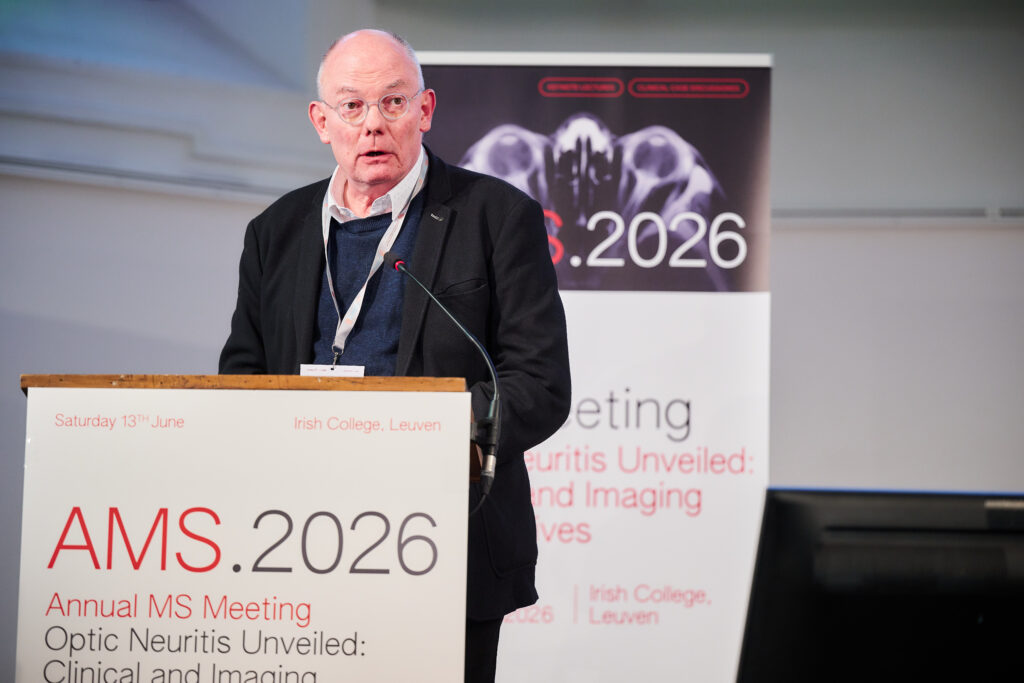
This presentation was recorded during the Annual MS Meeting 2026, held on 13 June 2026 at the Irish College in Leuven, Belgium.
Organized by the Belgian Study Group for Multiple Sclerosis (BSGMS) and Paradigms Foundation, the meeting focused on Optic Neuritis Unveiled: Clinical and Imaging Perspectives, bringing together experts to discuss advances in diagnosis, imaging, and clinical management.
About the speaker:
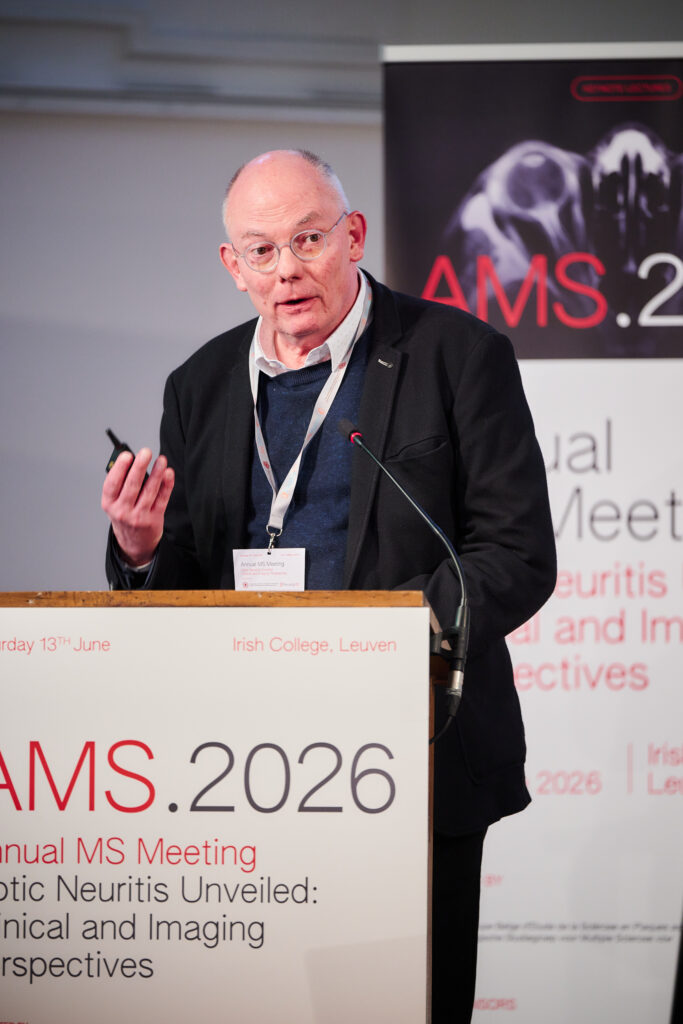
Prof. Dominique Dive is a neurologist at the University Hospital of Liège (CHU Liège), Belgium, with over 30 years of experience in neuroimmunology. His clinical and research interests focus on Multiple Sclerosis (MS) and related inflammatory disorders of the central nervous system, including NMOSD and MOGAD. He is actively involved in clinical research, scientific education and national and international neurological associations.
Media


Details
We value your opinion.


