
- This event has passed.
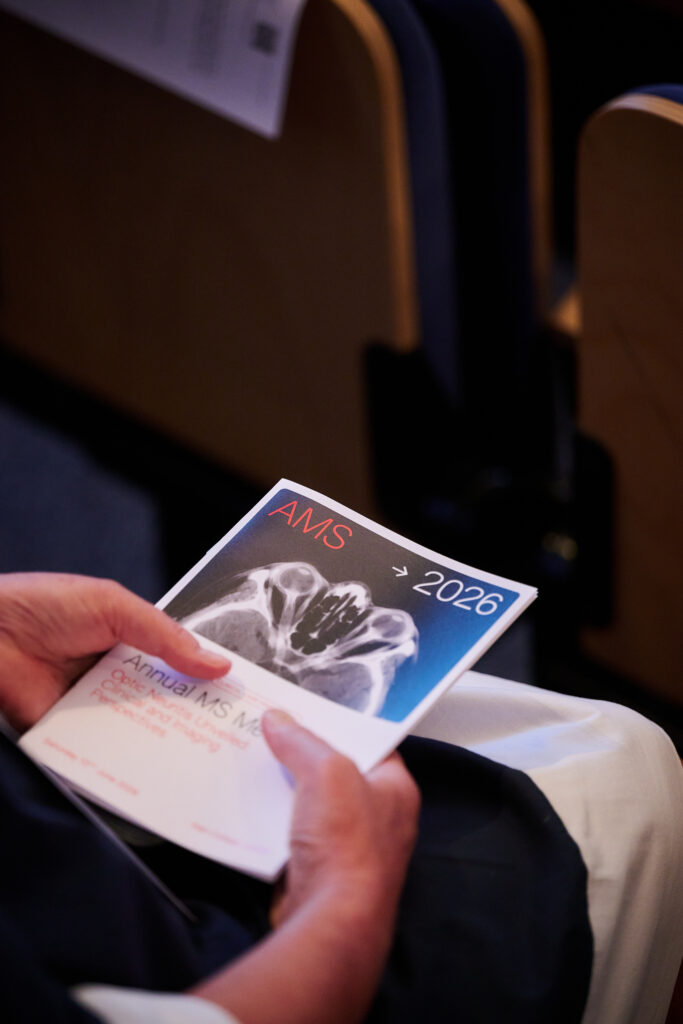
Annual MS Meeting 2026
Saturday, June 13th – morning session

Optic Neuritis Unveiled: Clinical and Imaging Perspectives
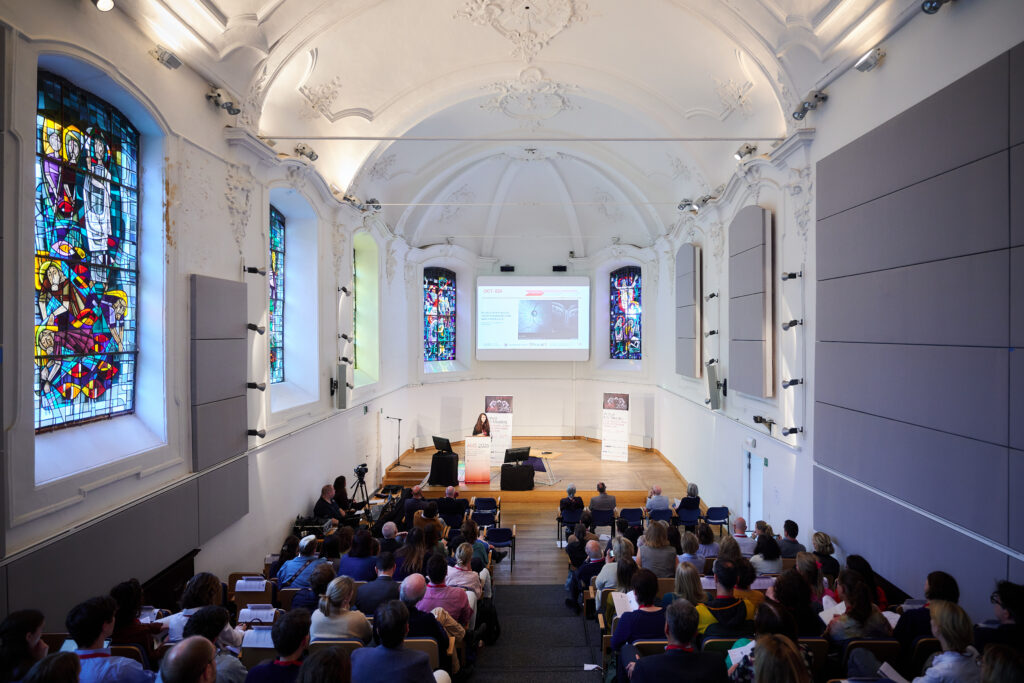
Irish College, Leuven
The Belgian Study Group for Multiple Sclerosis (BSGMS) and ParadigMS Foundation are pleased to announce the Annual MS Meeting 2026, a scientific meeting for the Belgian MS community and allied healthcare professionals.
This year’s meeting, entitled “Optic Neuritis Unveiled: Clinical and Imaging Perspectives,” will focus on optic neuritis as a key clinical entity in multiple sclerosis and related disorders. The programme will combine clinical expertise with advanced imaging approaches, highlighting how evolving diagnostic tools can support earlier diagnosis, improved prognostication, and optimized patient management.
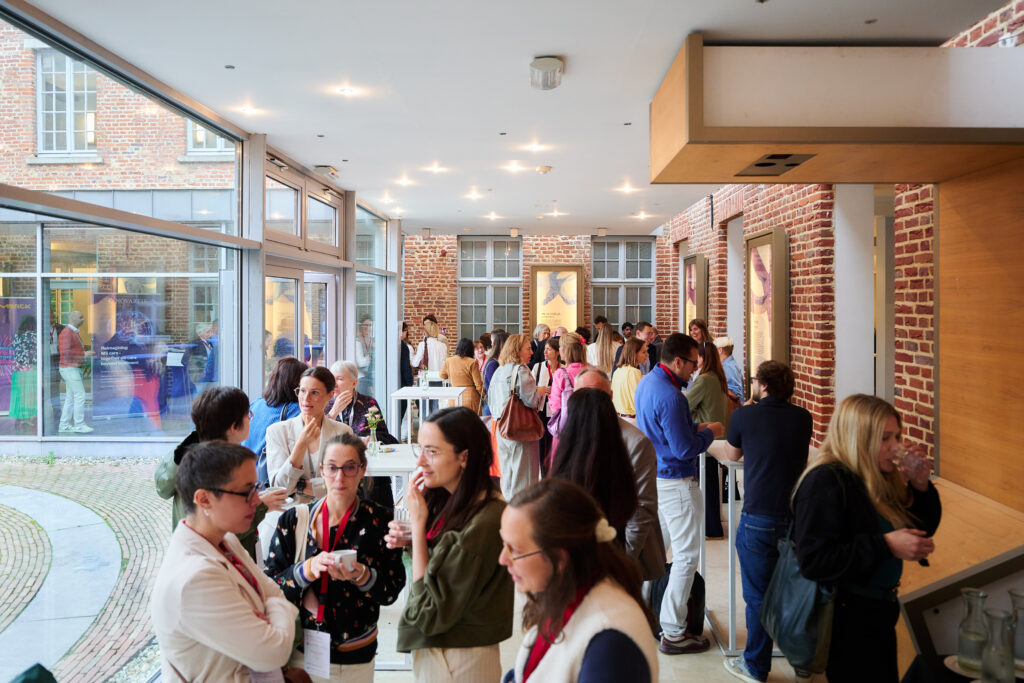
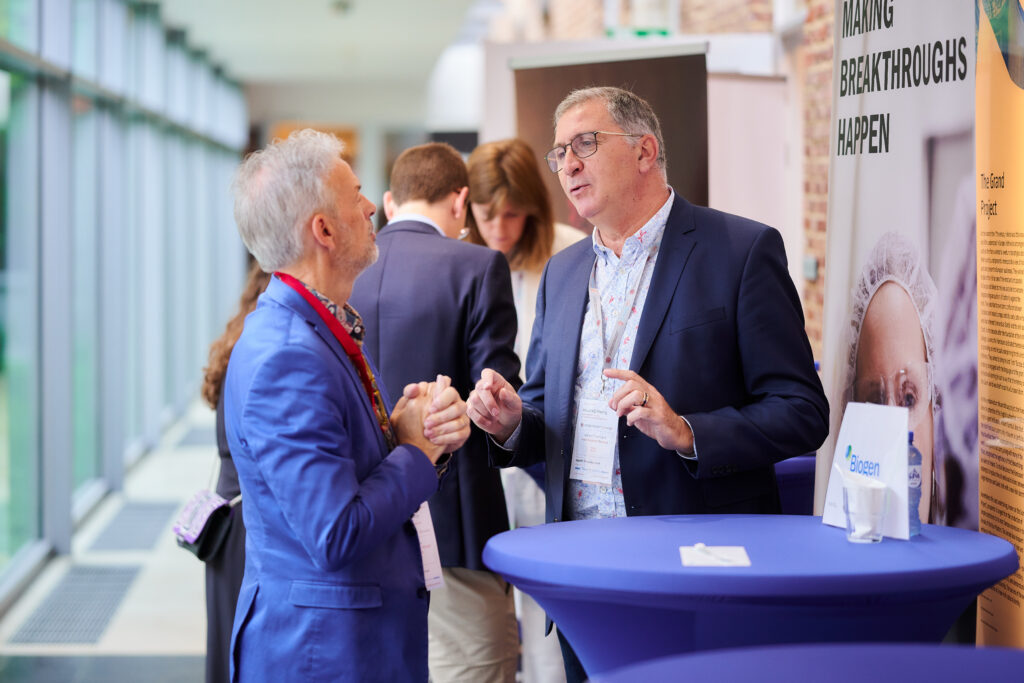
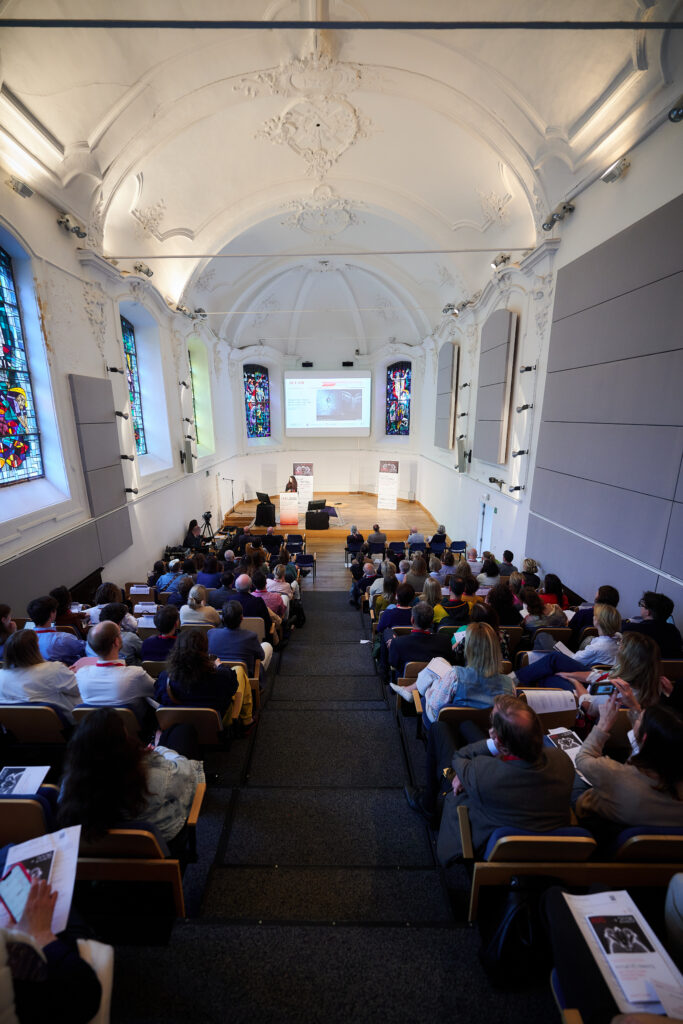
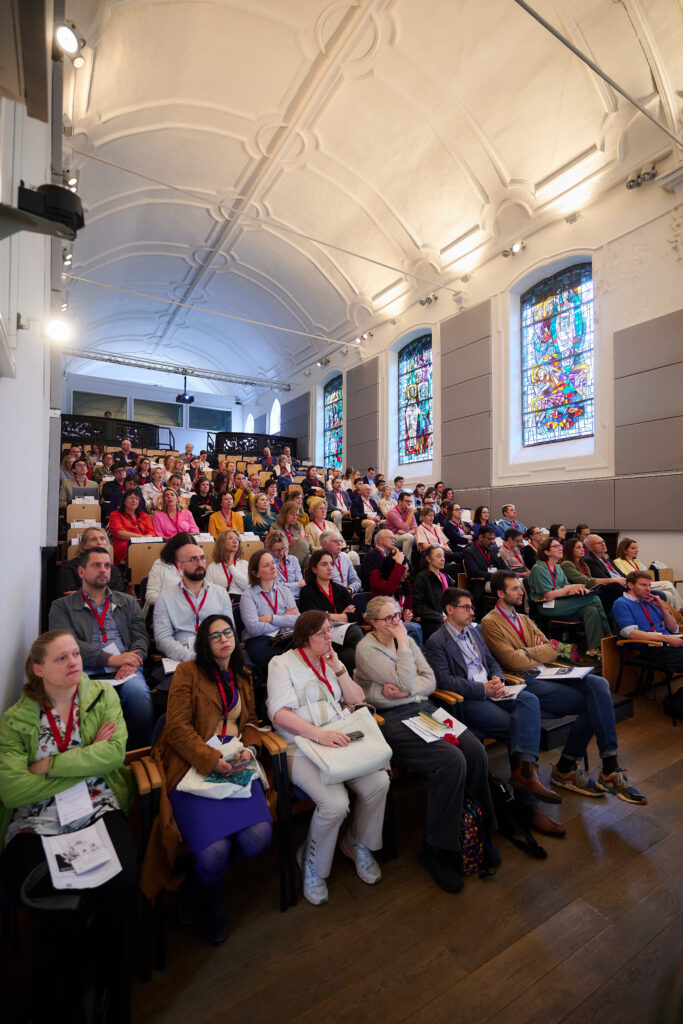
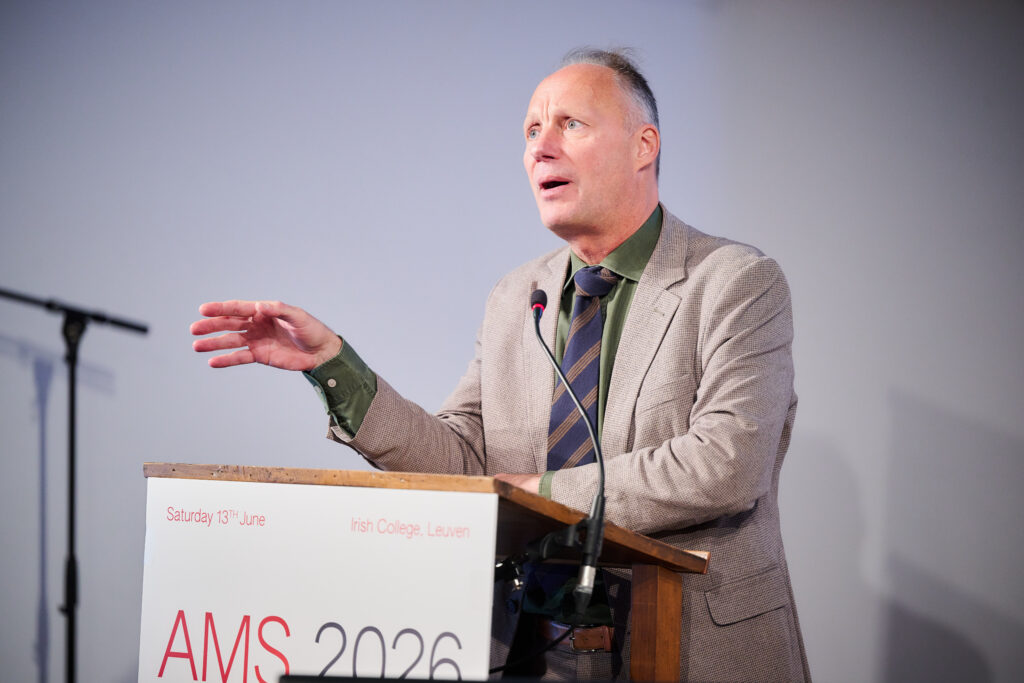
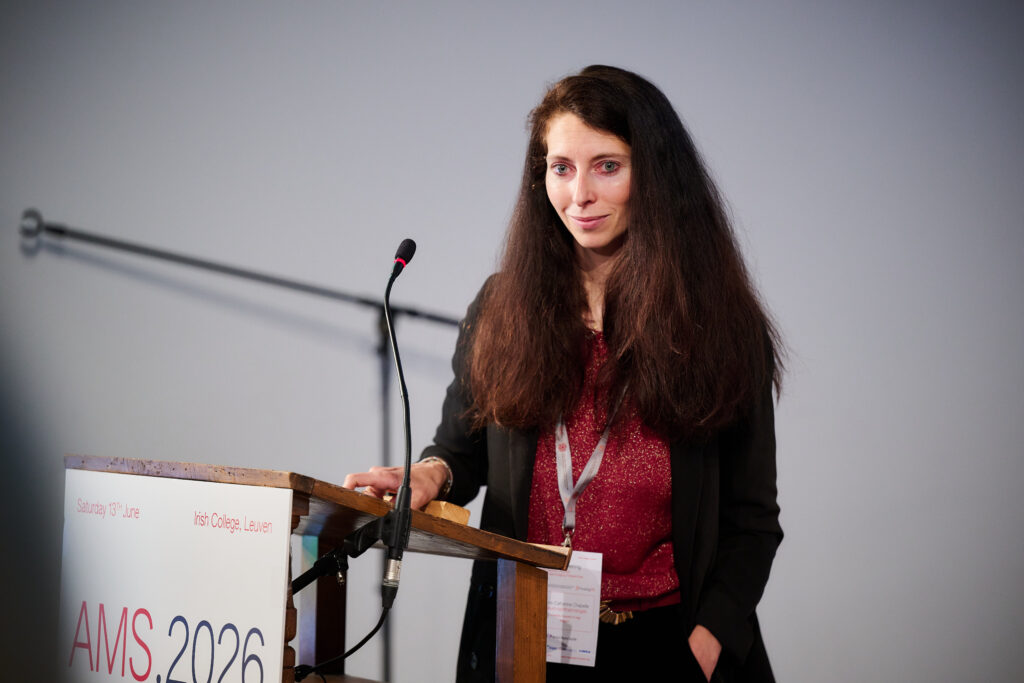
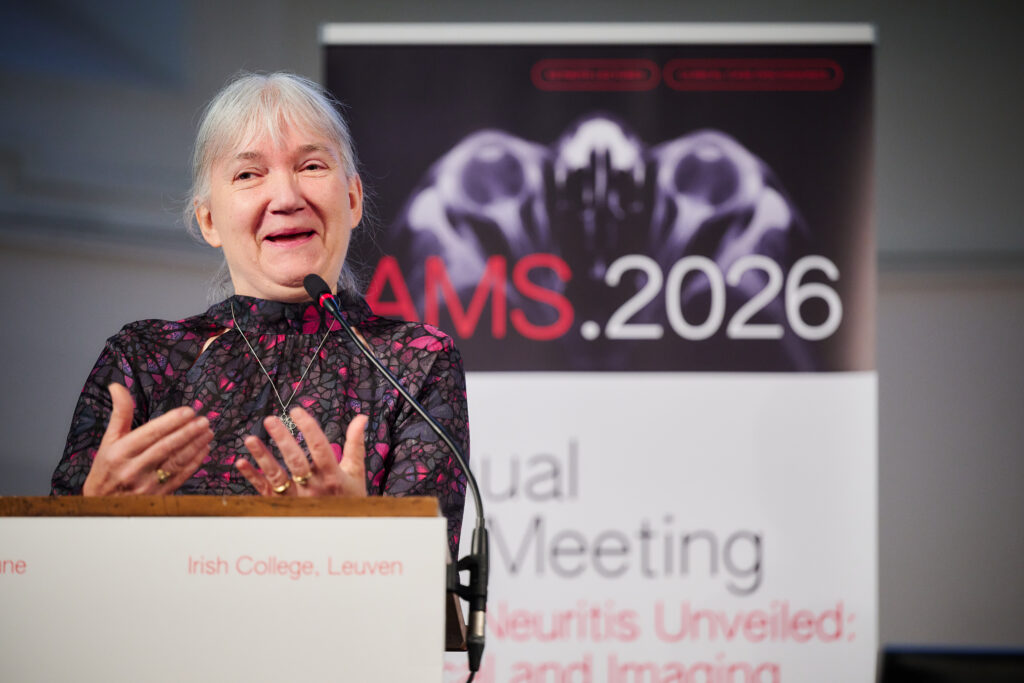
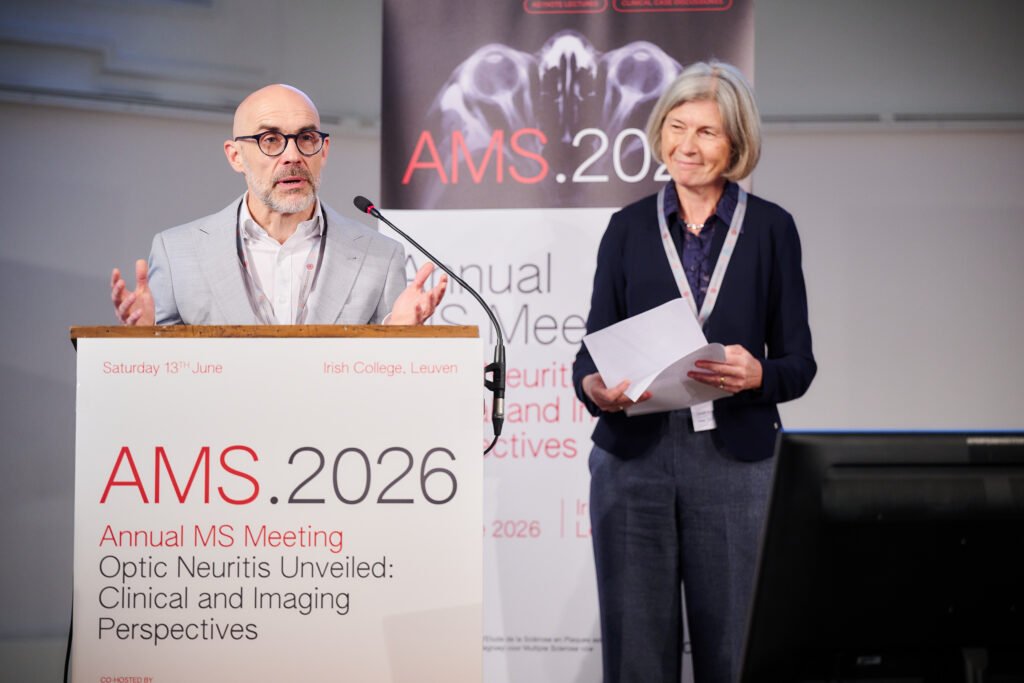
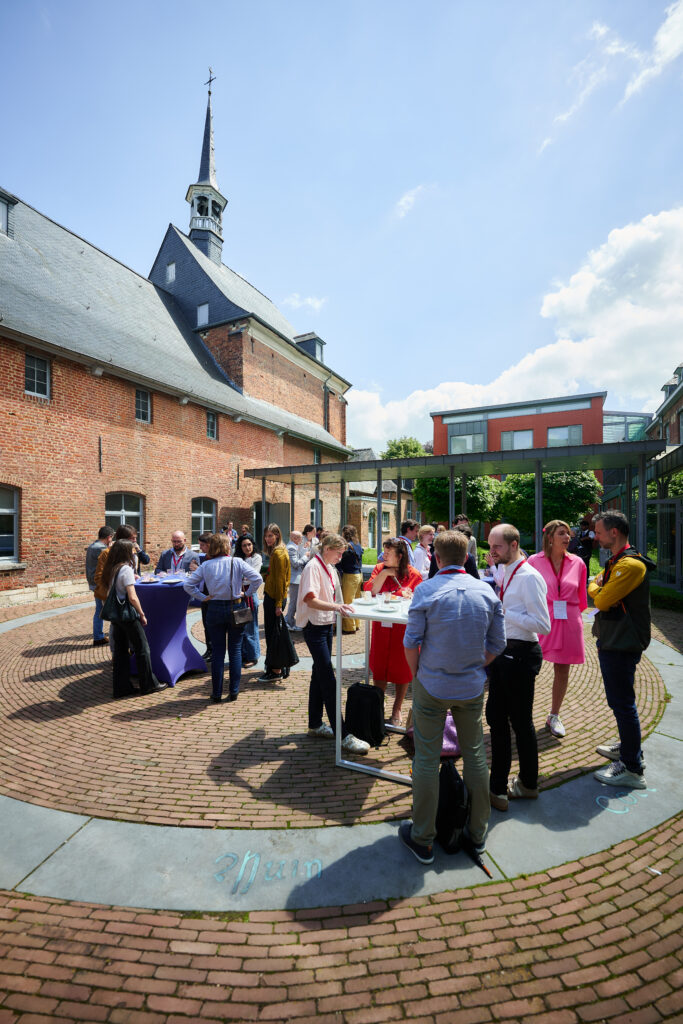
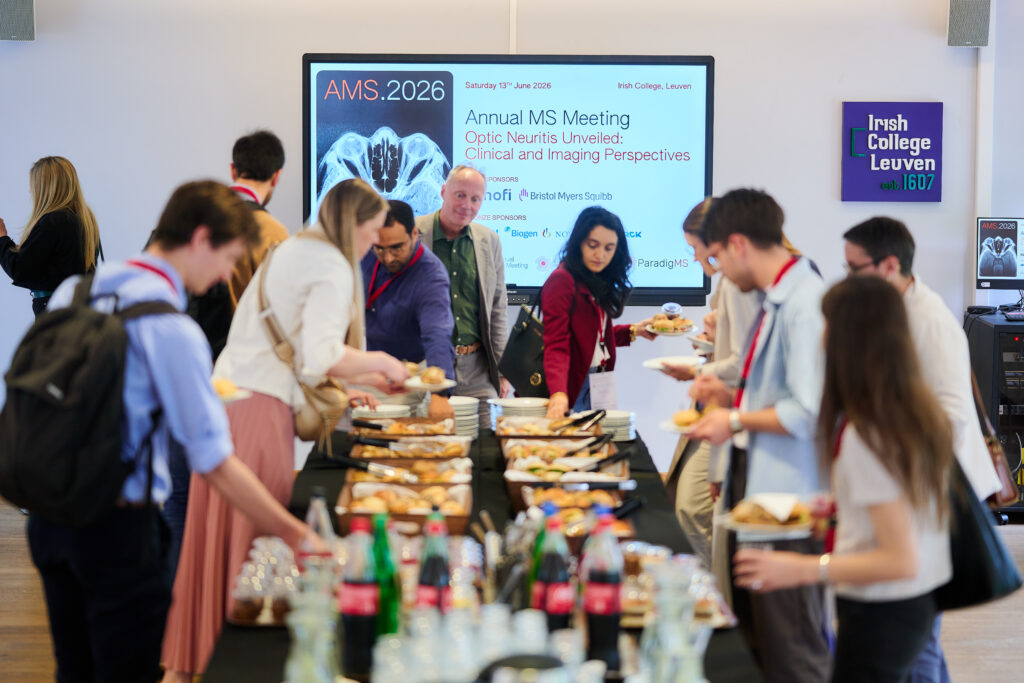
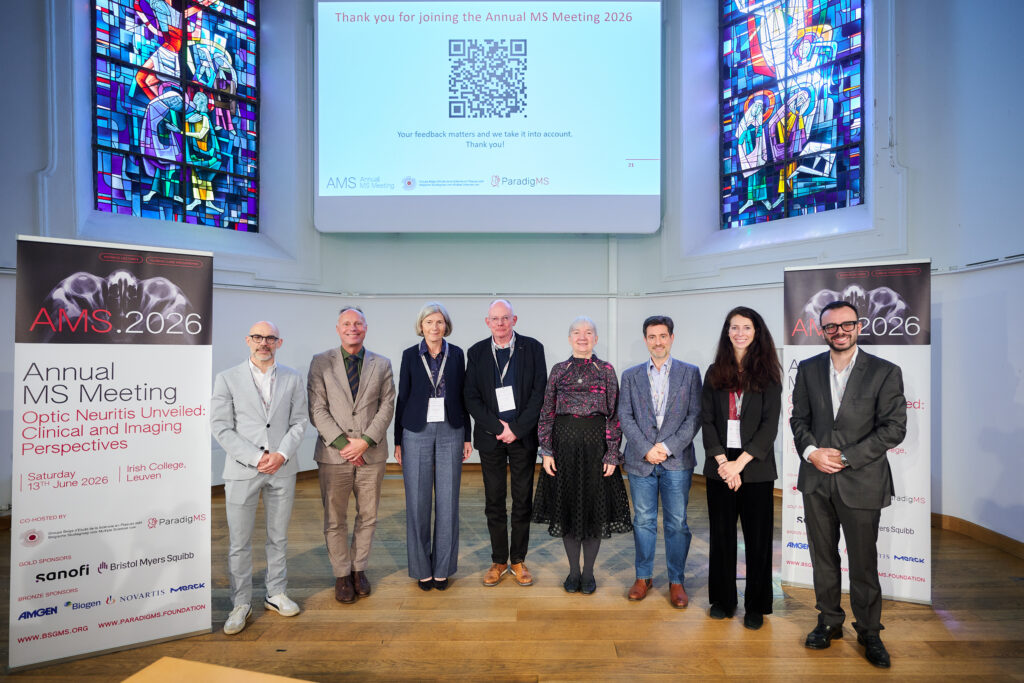
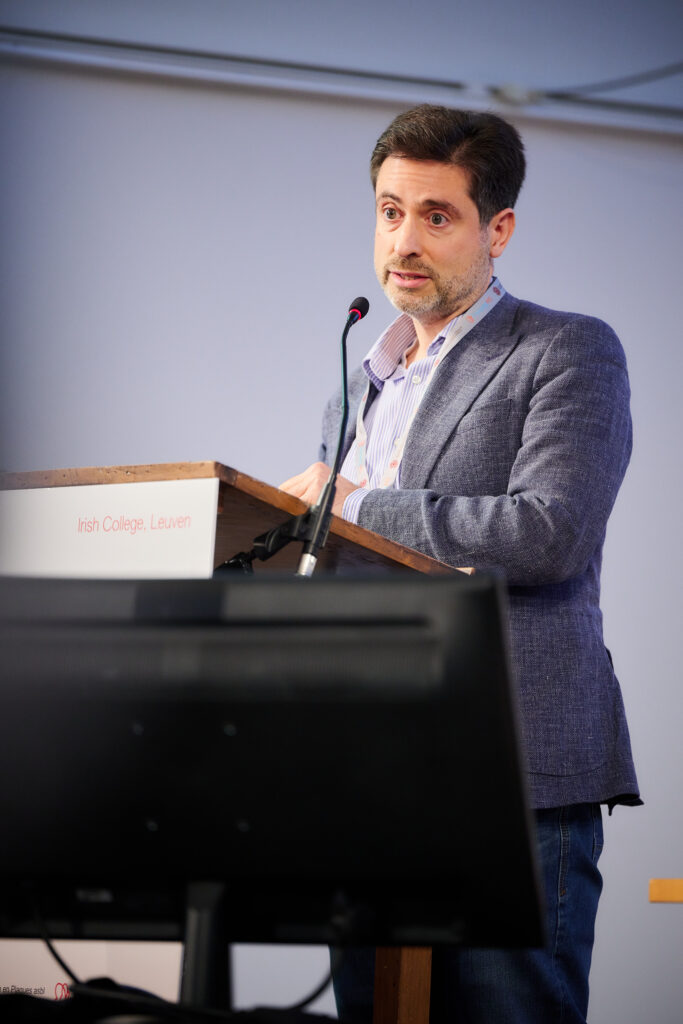
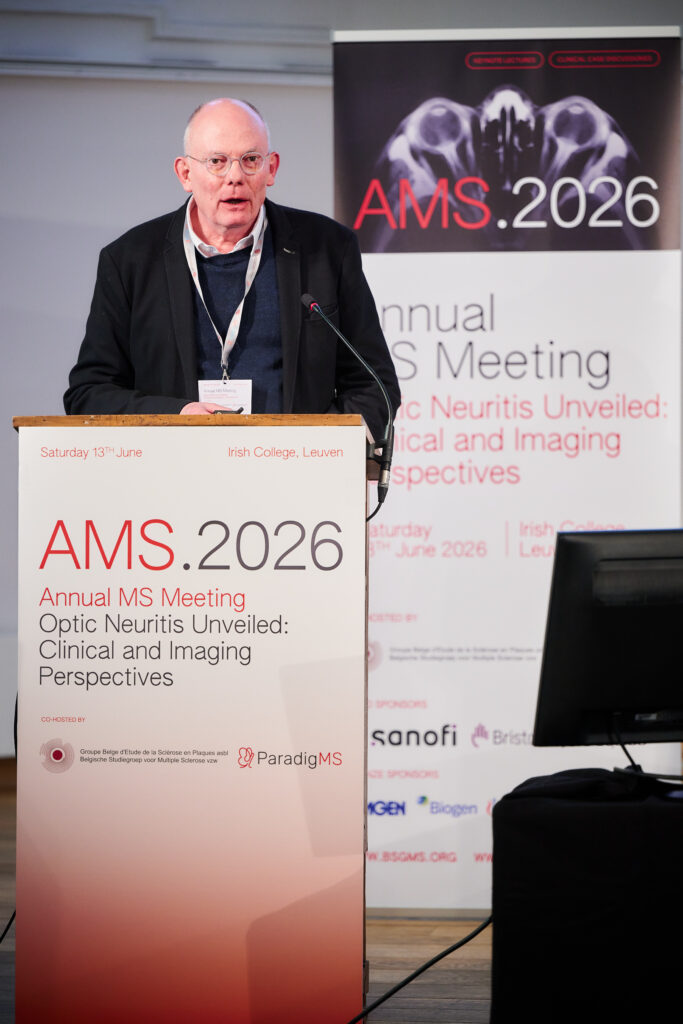
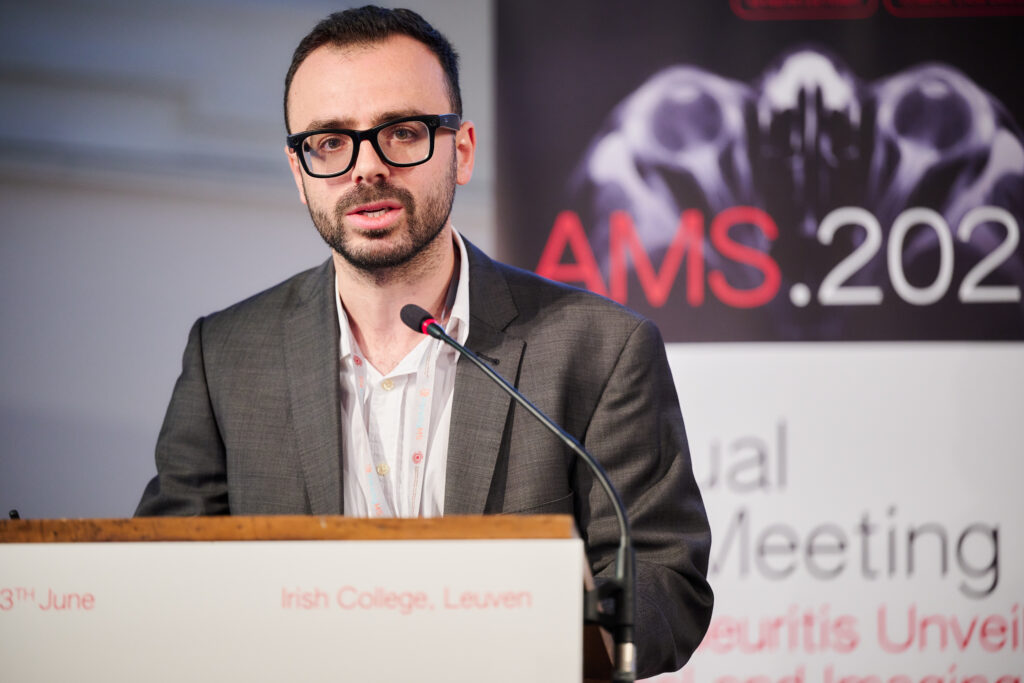
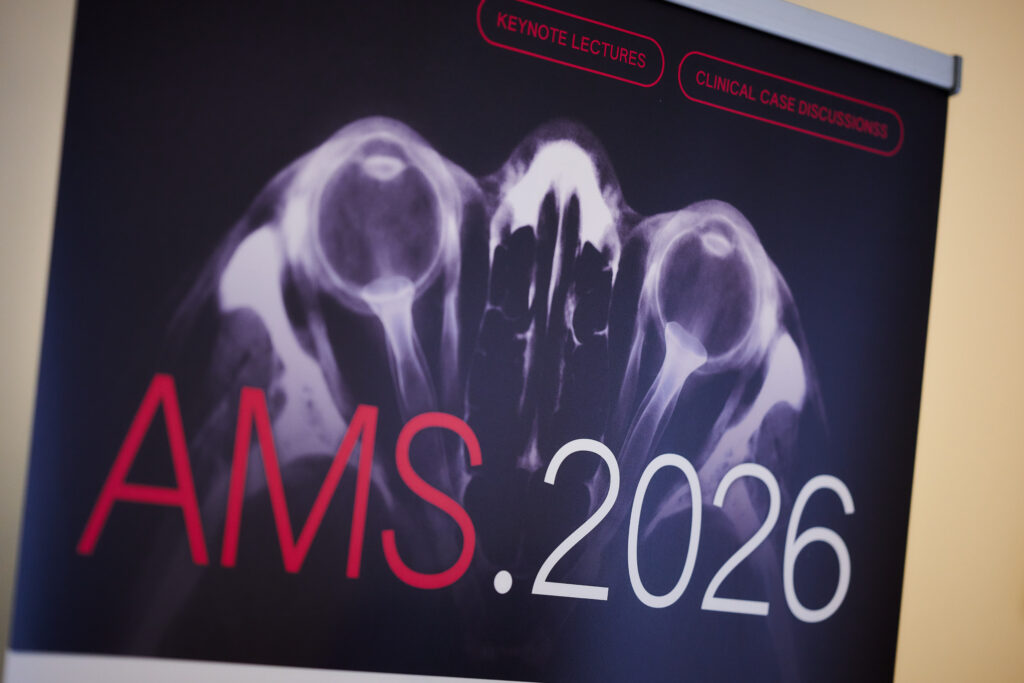
Pictures from the meeting (by DAVID PLAS PHOTOGRAPHY)

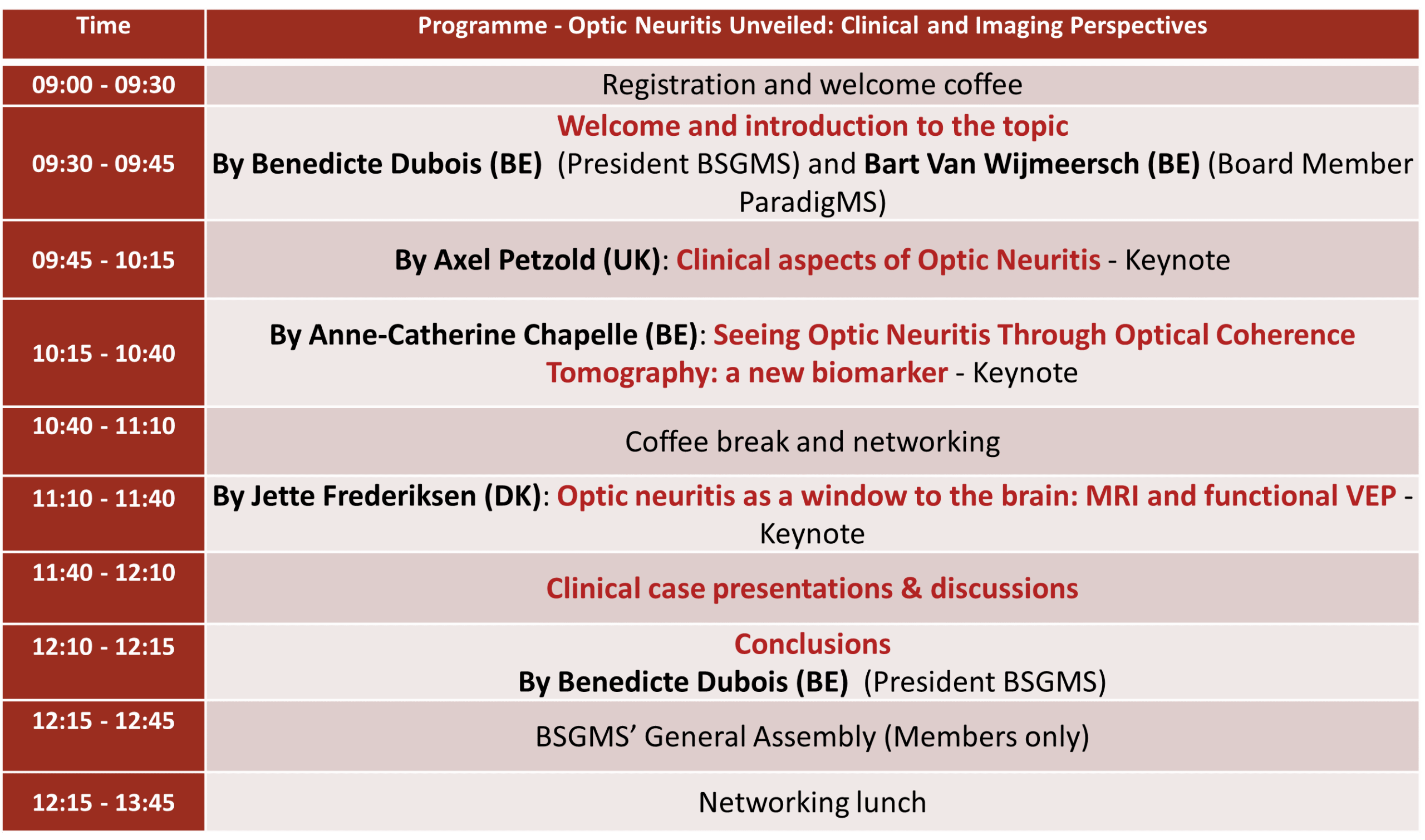
Scientific Programme
The meeting will feature three keynote lectures delivered by internationally recognized experts, followed by interactive case discussions and clinical conclusions. This is an in-person meeting and no livestream will be available.
About the co-chairs and the keynotes speakers
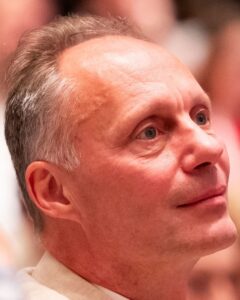
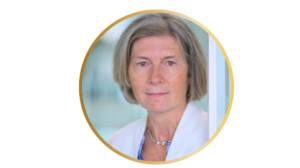
Axel Petzold (UK) is a consultant neurologist at the National Hospital for Neurology and Neurosurgery, Queen Square, and at Moorfields Eye Hospital in London. His clinical and research work focuses on multiple sclerosis and optic neuritis. He is a Fellow of the Royal College of Physicians, the Royal College of Ophthalmologists, and the Royal College of Pathologists. Over the years, he has been involved in a number of collaborative initiatives, including serving as Chair for Neuro-Ophthalmology within the European Reference Networks for Rare Diseases. He has also helped develop integrated care pathways between his NHS Hospital Trusts. Prof Petzold has published widely in peer-reviewed journals and has supervised and mentored fellows and students from different countries. He remains committed to careful clinical practice, collaborative research, and supporting the next generation of clinicians and scientists.
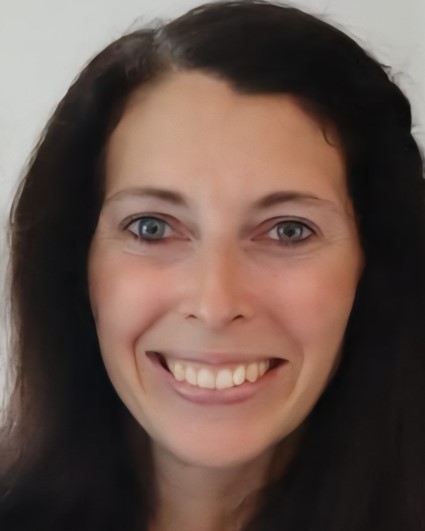
Anne-Catherine Chapelle (Belgium) is a neuro-ophthalmologist and pediatric ophthalmologist at the University Hospital of Liège, where she is involved in both clinical practice and academic activities. She completed a neuro-ophthalmology fellowship in London under the supervision of Professor Gordon Plant, gaining advanced expertise in the diagnosis and management of complex neuro-ophthalmic disorders, including inflammatory and demyelinating diseases of the visual pathway. She subsequently completed a doctoral thesis focused on retinal ganglion cell evaluation in ischemic optic neuropathies, with particular attention to structural and functional correlations. Her clinical and research interests center on optic nerve disorders and the use of retinal imaging, notably optical coherence tomography (OCT), as a biomarker in neurological diseases.

Jette Lautrup Frederiksen (Denmark) is Professor of Neurology, Senior Consultant, MD and Doctor of Medical Sciences (DMSc) at University of Copenhagen based on thesis “A prospective Study of Acute Optic Neuritis: Clinical, MRI. CSF, Neurophysiological and HLA Findings”. She has 40 years of research experience in the clinical, imaging, neurophysiological and biomedical aspects of optic neuritis, multiple sclerosis and neuro-ophthalmology. She is the founder of the Multiple Sclerosis Clinic at Copenhagen University Hospital Rigshospitalet Glostrup, Denmark and head of the Optic Neuritis Clinic there. Since 2011 she has been Professor in Optic Neuritis in relation to Multiple Sclerosis at the University of Copenhagen. She is by Scholar GPS ranked No. 2 within the category Optic Neuritis lifelong and has authored more than 300 publications in international scientific journals.
Belgian Study Group for Multiple Sclerosis

ParadigMS Foundation
Prof. Bénédicte Dubois (Belgium) is an internationally recognised neurologist and multiple sclerosis expert. She is Head of the Department of Neurology at University Hospitals Leuven, Head of the Laboratory for Neuroimmunology, and part-time Full Professor at the Faculty of Medicine of KU Leuven, where she also leads the Research Group Experimental Neurology and oversees the medical clerkship centres. Alongside her leadership roles, she is a pioneer of interdisciplinary MS care and precision medicine in Belgium, and her translational research focuses on the neuroimmunological and genetic mechanisms underlying MS, supported by a unique longitudinal patient database. She is also actively involved in multiple internal and external committees dedicated to education and scientific research.
Prof. Bart Van Wijmeersch (Belgium) is a neurologist specialised in multiple sclerosis and Associate Professor of Neurology at the University of Hasselt, affiliated with the Biomedical Institute (BIOMED). He is Medical Director of the Rehabilitation and MS Center in Pelt, where he leads a multidisciplinary MS team delivering comprehensive patient care. His academic and clinical work bridges immunological, biomarker, MRI, electrophysiological, and rehabilitation research in MS, combining pre-clinical models, clinical studies, and translational approaches. In addition to his research and clinical leadership, he plays an active educational role within the faculties of medicine and physiotherapy. He is a member of the Belgian Study Group of Multiple Sclerosis, founding President of ParadigMS, and serves on advisory boards for pharmaceutical companies active in MS research. In recognition of his scientific contributions, he received an honorary award from the Flemish Government in 2019.
Abstracts of the keynotes
Axel Petzold (UK) – Clinical Aspects of Optic Neuritis
Optic neuritis (ON) is an inflammatory disorder of the optic nerve and a common cause of visual loss, particularly in young and middle-aged adults. Clinically, ON presents with subacute unilateral visual loss, periocular pain exacerbated by eye movement, impaired colour vision, and visual field defects. Although many patients recover high-contrast visual acuity, residual deficits in contrast sensitivity, colour perception, visual fields, and visual fatigue are common. Clinically a common cause in a Caucasian population is multiple sclerosis (MS). Some clinical features such as bilateral involvement, severe visual loss, poor recovery, or absence of pain should prompt urgent evaluation for other ON subgroups.
The clinical spectrum of ON is heterogeneous. MS-associated ON (MS-ON) remains frequent in neurological practise. IN MS-ON visual recovery is typically good. In contrast, aquaporin-4 antibody-associated ON (AQP4-ON) is typically more severe, may be bilateral, and carries a high risk of permanent visual disability and future relapses. Myelin oligodendrocyte glycoprotein antibody-associated ON (MOG-ON) often presents with marked optic disc swelling and exquisite corticosteroid responsiveness. The relapse risk in MOG-ON varies, with about half of all cases being monophasic. Accurate early phenotyping of ON is therefore central to prognosis and long-term management.
Diagnosis is clinical, supported by magnetic resonance imaging (MRI), serum antibody testing (AQP4-IgG and MOG-IgG), and optical coherence tomography (OCT). Acute management commonly includes high-dose corticosteroids to accelerate recovery, with escalation therapies such as plasma exchange or IVIG considered in severe or refractory cases. Secondary prevention strategies depend on aetiology and relapse risk, particularly in antibody-mediated disease and in patients at high risk of developing MS.
Beyond acute treatment, clinical care must address visual rehabilitation, mental health burden, and relapse surveillance. Persistent pain, visual fatigue, and anxiety about recurrence are frequent but under-recognised sequelae. Despite advances in immunotherapy and diagnostics, substantial global variability remains in access to timely imaging, antibody testing, specialist care, and relapse-preventive therapy.
ON is therefore both a neurological emergency and a window into systemic inflammatory disease. Optimising clinical outcomes requires early recognition, aetiology-driven management, structured follow-up, and equitable access to specialist services.
Anne-Catherine Chapelle (Belgium) – Seeing Optic Neuritis Through Optical Coherence Tomography: a new biomarker
Since the revised McDonald criteria now include the optic nerve as a fifth topographical location, careful and precise neuro-ophthalmologic examination has become mandatory. Accurate diagnosis of optic neuritis relies on a comprehensive assessment, including optical coherence tomography (OCT). This technique enables precise, non-invasive quantification of the peripapillary retinal nerve fiber layer and the ganglion cell layer. In this keynote, we will review the evidence linking OCT findings to the diagnosis of optic neuritis, visual outcomes, and disease activity, as well as its role in monitoring disease evolution. These data highlight the growing relevance of OCT in both clinical practice and research.
Jette Latrup Frederiksen – Optic neuritis as a window to the brain: MRI and functional VEP
The 2024 revision of the McDonald criteria introduced a major change by including the optic nerve as the fifth anatomical location demonstrating dissemination in space (DIS), thereby enhancing the diagnostic sensitivity of MS. Not only MRI of the optic nerve, but also VEP and OCT can confirm affection of the optic nerve. Thus structural as well as functional examinations of the visual pathways are important. This talk will mainly focus on imaging aspects (MRI of the optic nerve and brain) beyond OCT together with functional testing including VEP and multifocal VEP.
Venue: The Irish College, Leuven, and Parking details

The Irish College Leuven was founded in 1607 and is one of the oldest Irish colleges on the European continent. It was established to educate Irish priests at a time when religious training was restricted in Ireland. Over the centuries, the College became an important intellectual and cultural hub, closely linked to the University of Leuven, and played a key role in preserving Irish scholarship and heritage. Today, it stands as a historical symbol of the long-standing academic and cultural ties between Ireland and Belgium.
The parking space is available near the venue.
Access & Parking
Bethlehem parking:
Free parking is available at Bethlehem Parking, Leuven.
The address is Redingenstraat 21, 3000 Leuven, approximately a 5-minute walk from the venue.
Access code is: 15953#.
Group parking: Q-Park Heilig Hart
Address : Naamsestraat 102, 3000 Leuven (≈ 10-minute walk to Irish College)
FAQ
How can I register for the event?
Simply click on REGISTRATION button you can see above this section and then select your admission ticket category
Can I bring a guest?
Absolutely! You can register up to 5 persons per session, if they are also healthcare professionals with a focus on neurology
How can I get updates or notifications about the meeting?
Stay connected with all updates and news by subscribing to the ParadigMS Foundation webpage: https://paradigms.foundation/
Will there be food and beverages provided?
Yes, we provide a welcome coffee, a coffee break and a networking lunch with a variety of drinks.
What if I need to cancel my registration?
If you need to cancel your registration, please send a message to learning@paradigms.foundation.
Is there a dress code for the meeting?
We recommend wearing smart casual attire.
Will the Annual MS meeting be live streamed?
No, the live sessions of the meeting are not live streamed and available only for onsite participants.
Who can I contact for additional information?
If you have any questions or need further information about either of the two learning experiences, please feel free to reach out to us at learning@paradigms.foundation.
Will there be a written report from the sessions?
Yes, the ParadigMS Secretariat is planning to have a medical writer on site who will be tasked with producing a written report from both sessions.
Will any of the sessions be recorded on video for later viewing?
Yes, the keynotes will be video and audio recorded and will be made available on ParadigMS.foundation. You will need to create a Member account to have access to the recording (conditions to join as a member apply).
Sponsorships
In return for their sponsorship, our sponsors receive visibility and can register a limited number of their staff to join the Meeting. Sponsors are not involved in the elaboration of the programme and presentations.





Interested to join as a sponsor? Please contact ParadigMS at secretariat@paradigms.foundation
Organized by


